
March 5, 2026
Picture a tree-lined street where classic manors and sleek modern estates share the same graceful rhythm. If you are drawn to River Oaks in 77019, you likely care about architecture, curb appeal, and the way a home lives day to day. In this guide, you will learn the hallmark styles that define River Oaks, how lot size and landscaping influence value, and the practical cues that help you read a listing fast. You will also get a clear sense of pricing ranges and smart questions to ask on tour. Let’s dive in.
River Oaks began in the 1920s as a planned, high-amenity residential enclave inside Houston’s 610 Loop. The neighborhood’s layout, planted esplanades, and larger lots reflect that original vision for a model country-club community. Many of the design cues you see today tie back to that plan and the lasting appeal of its streets and greenspace documented in local history.
Cultural anchors reinforce the neighborhood’s aesthetic. Bayou Bend, the former estate of Ima Hogg and now part of the Museum of Fine Arts, Houston, is a touchstone for formal gardens and mature canopy, a landscape character that many buyers prize in River Oaks as chronicled by garden historians.
Deed restrictions and property-owner oversight also shape what gets built. The River Oaks Property Owners association maintains recorded covenants that influence design continuity and site approvals. If you are serious about a property, ROPO documents and any landmark designations should be a standard part of your due diligence as Texas case law affirms.
River Oaks presents a layered timeline of styles. You will find original 1920s–1940s estates, mid-century examples, and newer custom homes that lean either classical or modern. Here is how to recognize each family and what it means for value and maintenance.
You will notice steep gables, tall chimneys, masonry facades, and sometimes half-timbering. Windows tend to be small-pane casements, and massing can be asymmetrical or turreted. Interiors often feature wood paneling and formal-scale rooms. These homes have a strong following for historic character, and sympathetic renovations typically help preserve value as local guides note.
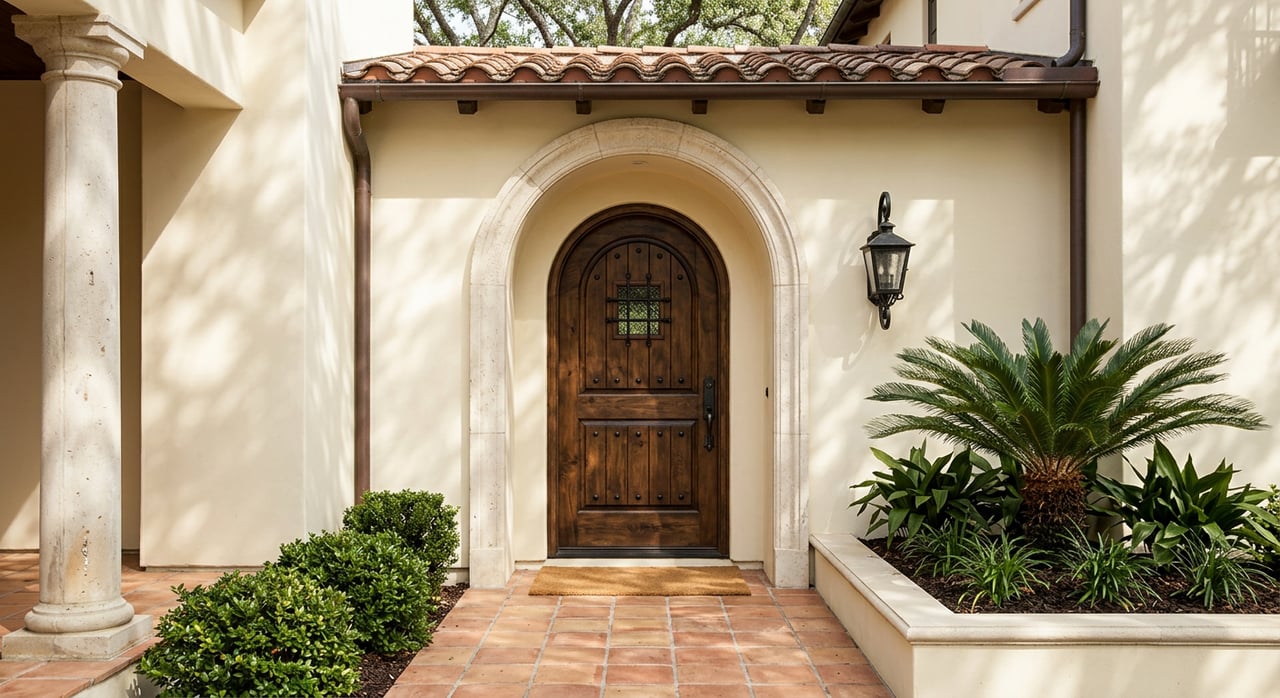
Look for stucco walls, red clay barrel tile roofs, arched openings, and wrought-iron details. Courtyards and loggias promote indoor-outdoor living that suits Houston’s climate. Tile roofs can have very long service lives when installed correctly, often measured in decades, but specialist repairs tend to cost more than shingle replacement according to renovation resources. Stucco systems also need proper flashing and periodic maintenance, which can add to life-cycle costs as repair guides explain.
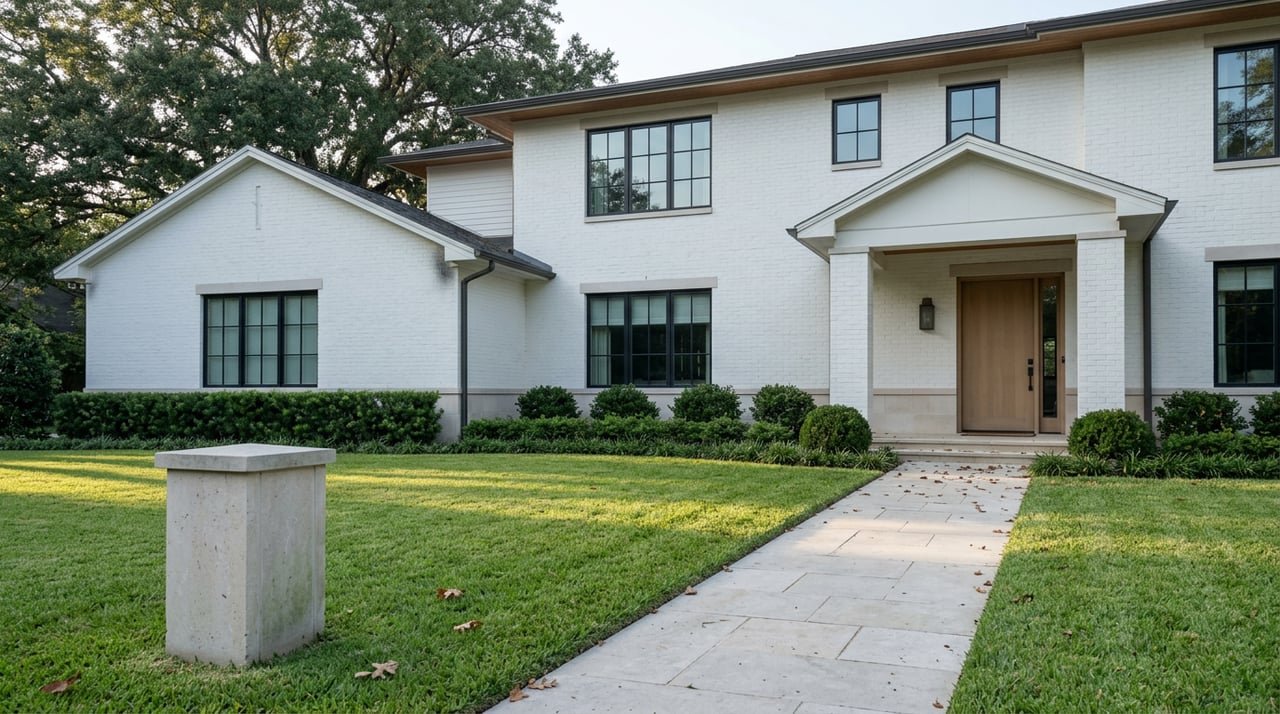
Expect symmetry, brick facades, classical entries or porticos, and multi-pane windows. Inside, you often get formal living and dining rooms with axial circulation. Well-integrated updates feel seamless in these homes. Disjointed additions can distract from the original provenance, so pay close attention to transitions and finishes in renovated examples.
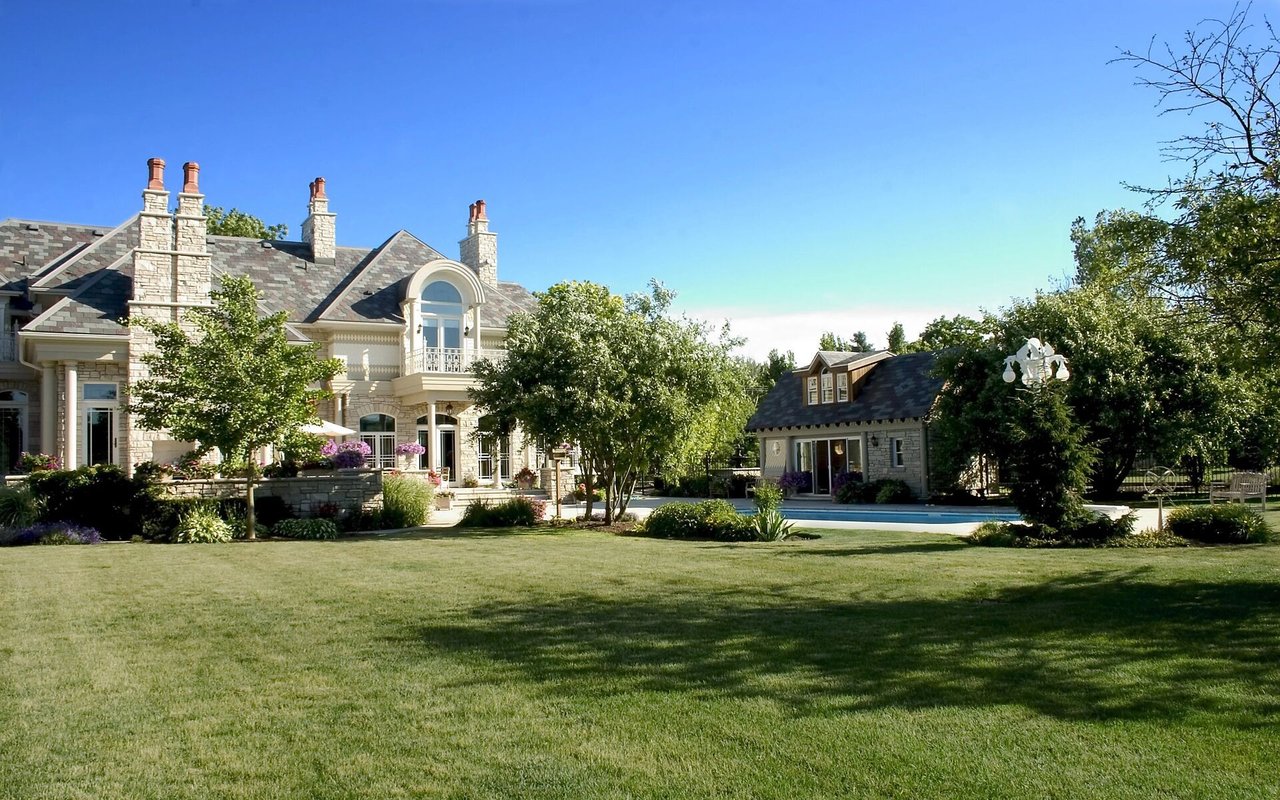
These estates often feature stone or stucco, towers or turrets, and steep slate or synthetic-slate roofs. They tend to sit on deeper, park-like lots with formal landscaping and usually command higher price tiers when intact and well maintained.
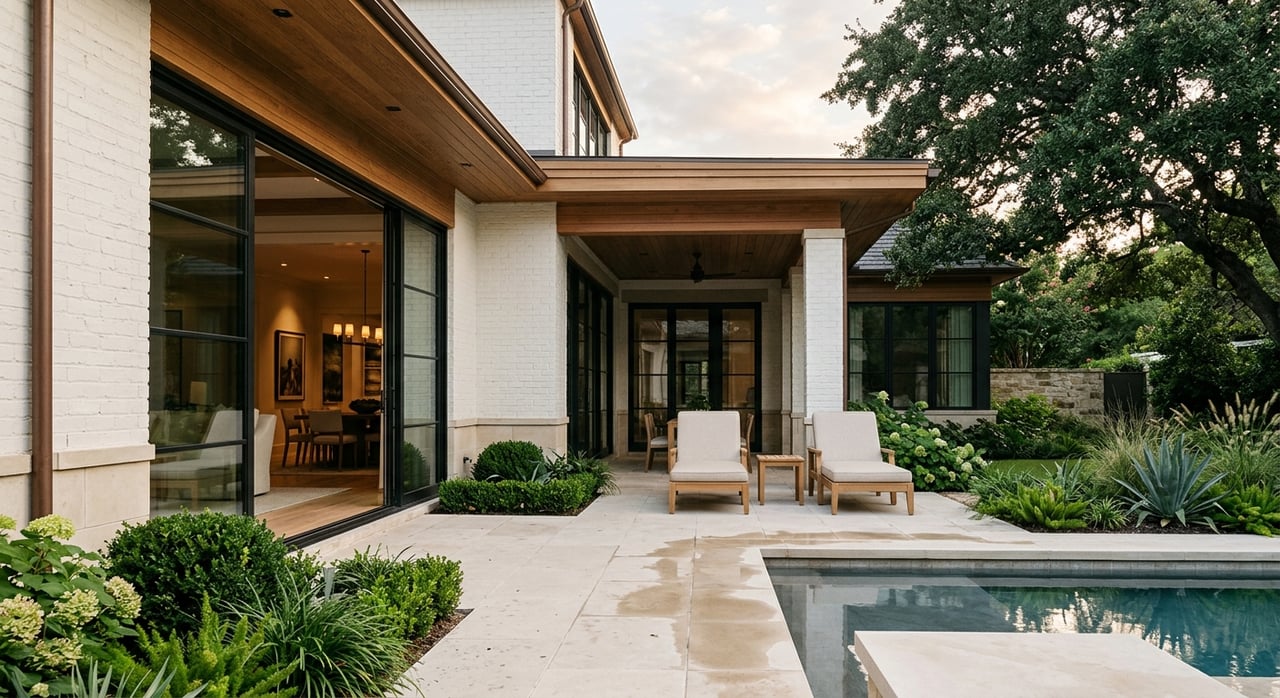
Later-20th-century and recent construction lean into larger glass, open plans, and minimal ornament. In River Oaks you will often see a blend of classical massing with modern interiors, or fully modern, architect-driven estates. Press coverage continues to highlight River Oaks among Houston’s most expensive transactions, including multi-million-dollar sales of architecturally significant homes in recent reports.
In River Oaks, lot size is one of the clearest value drivers. The original plan included parcels from roughly a quarter acre to several acres, and the most coveted streets, such as River Oaks Boulevard, Lazy Lane, Tall Timbers, Inverness, Knollwood, Pelham, and Del Monte, often feature deeper or wider lots and command meaningful premiums. High-end estates on larger parcels have recently traded in the eight figures per local press, while new builds and renovated homes on typical lots cluster across the multi-million range. For current context, review active market snapshots and recent sales ranges in the neighborhood from local reports and verify with up-to-date MLS data.
Landscape also matters. The live-oak canopy, planted esplanades, and formal garden rooms create curb appeal that influences buyer interest and resale. Mature specimen trees and well-planned outdoor areas often add a premium, while major tree removal or drainage regrading can introduce unexpected costs as the Bayou Bend landscape story underscores.
Finally, factor in practical risks and systems. River Oaks is near Buffalo Bayou, so you should check flood history, elevation certificates, and any public drainage projects, along with standard seller disclosures as neighborhood references remind buyers. Buyers also tend to favor homes with new mechanicals, updated electrical and plumbing, and documented roof work, which can support stronger pricing and smoother negotiations per market snapshots.
Use this quick visual checklist before you tour.
Bring this list to your showing.
Streets and lots matter here. Deep parcels and esplanade-fronting lots on River Oaks Boulevard, Lazy Lane, Inverness, Knollwood, Pelham, Del Monte, and Tall Timbers tend to command the highest premiums. Recent market snapshots show a broad range across property types, so use ranges rather than single-point medians and always check current MLS data.
Here is a practical framework using recent local snapshots and press coverage:
Because different data sources track list prices and sold prices differently, treat these as directional ranges and have your agent pull a fresh MLS set for your target street and lot profile.
Use these cues to align your taste and your timeline.
If you are weighing a Tudor with a timeless garden against a newly built estate with modern systems, you deserve a guide who speaks both design and data. Loulou Estates Group pairs a boutique, aesthetic-first approach with rigorous market analysis, concierge management, and multilingual relocation support. From curated property shortlists and remote showings to staging strategy and contract orchestration, you get a founder-led experience that feels clear, efficient, and tailored to you. To start your 77019 search or to position your River Oaks home for maximum value, connect with Lynn Tohme.
Stay up to date on the latest real estate trends.

My multicultural background allows me to cater to the varied needs of my local and international clients, ensuring that each transaction is a carefully crafted experience that respects and celebrates cultural diversity.
1800 St James Place Ste 302 Houston TX 77056