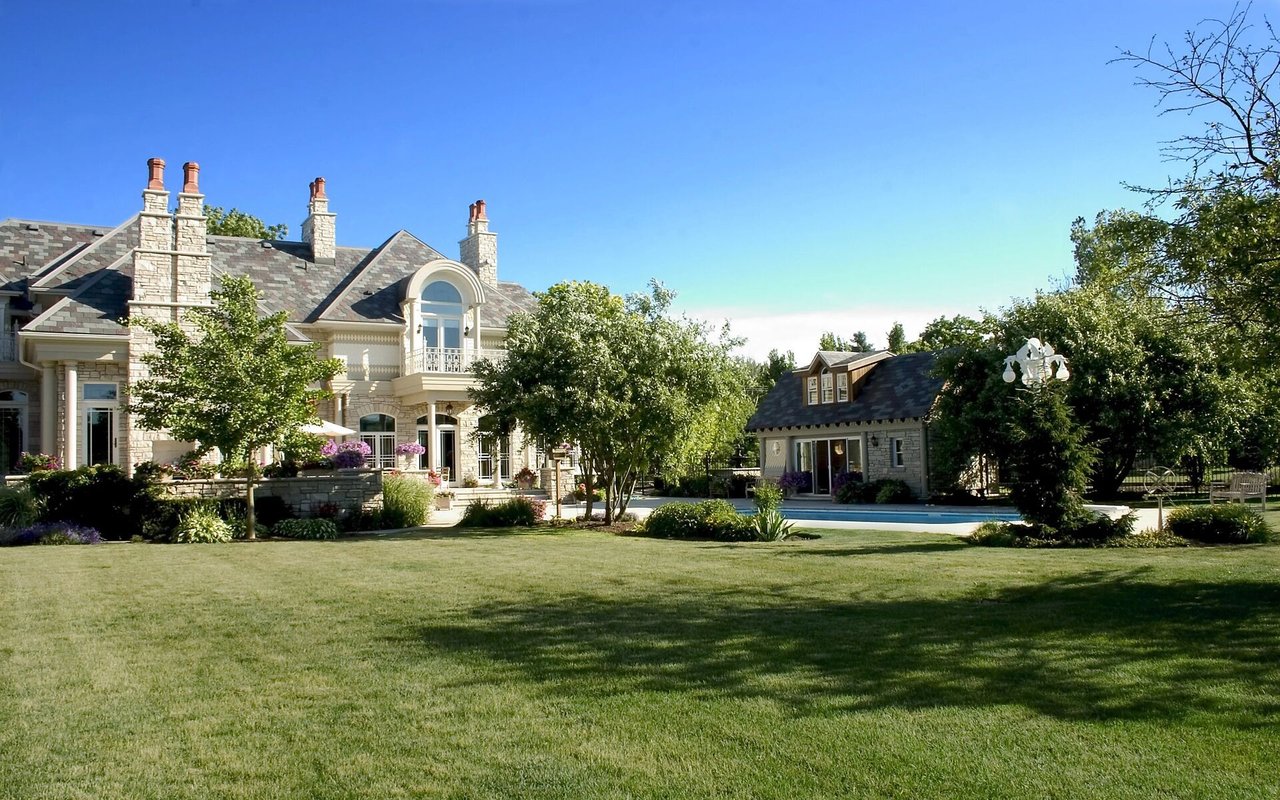
Wondering when to put your Memorial Villages home on the market? In a neighborhood where many buyers plan around school calendars and relocations, timing can shape your price, your days on market, and your overall experience. You want a launch that feels deliberate and gets real attention, not a slow burn. In this guide, you’ll learn the strongest listing windows, how far in advance to prepare, and how a concierge approach can amplify results. Let’s dive in.
Why timing matters here
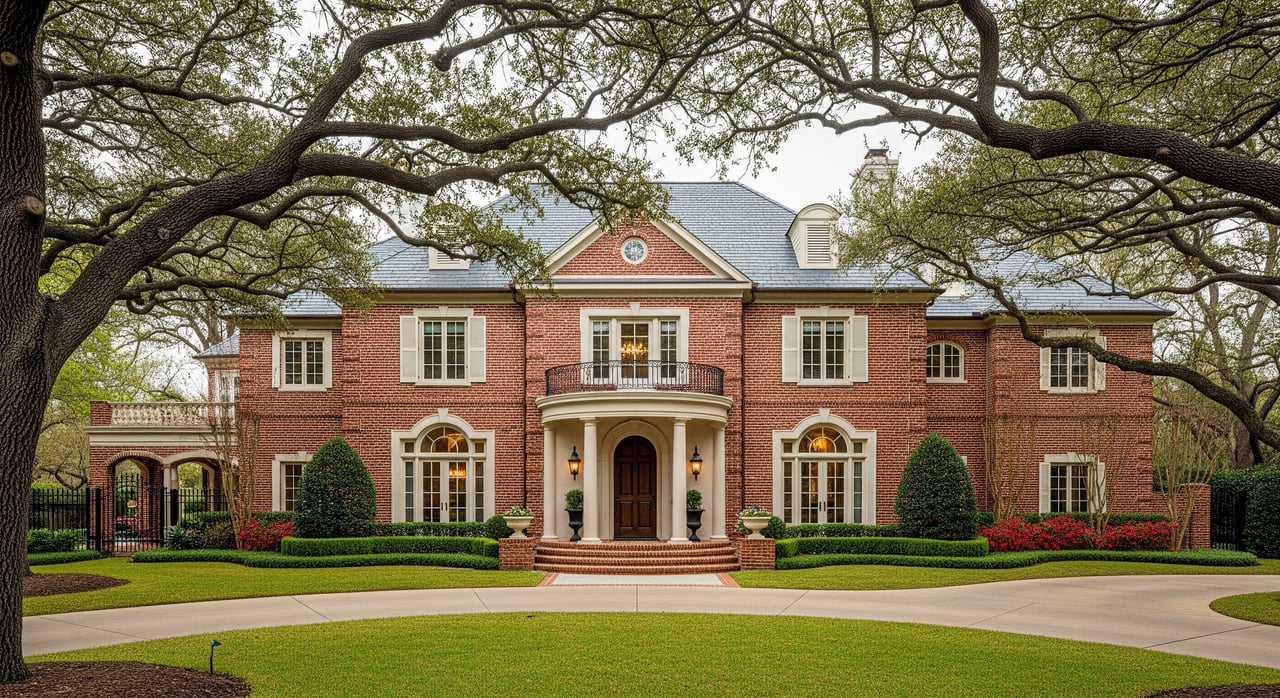
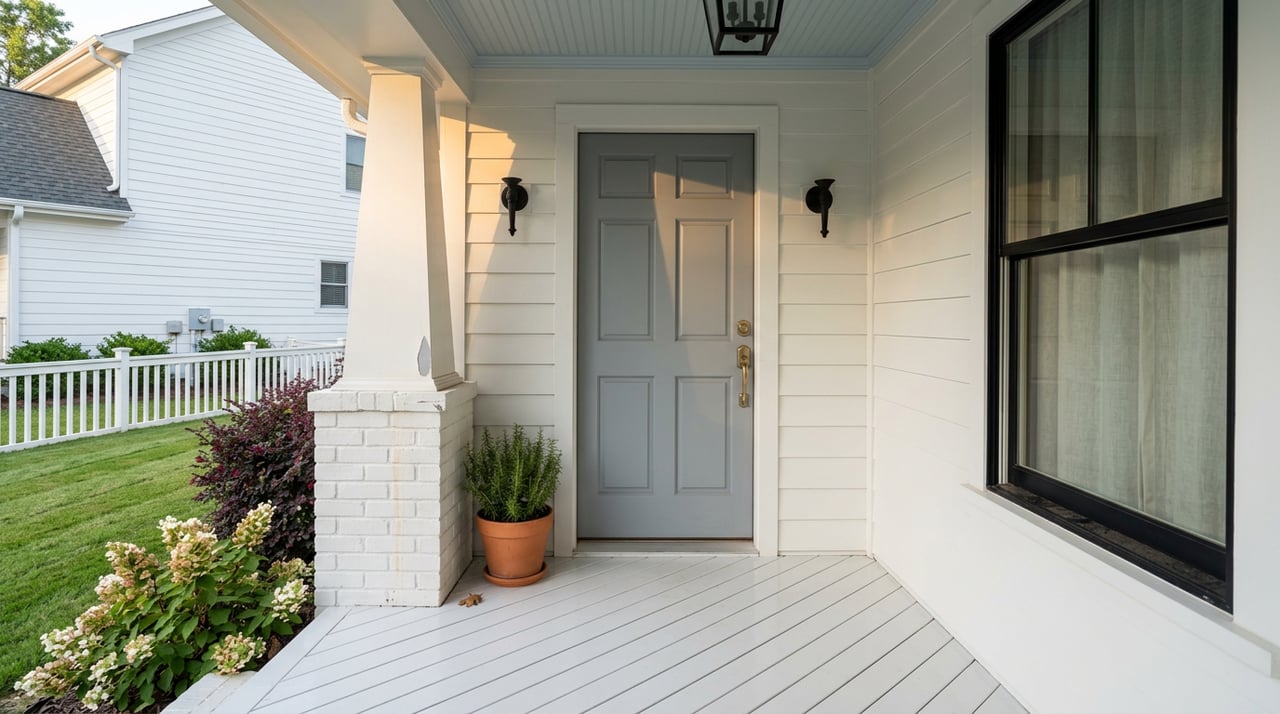
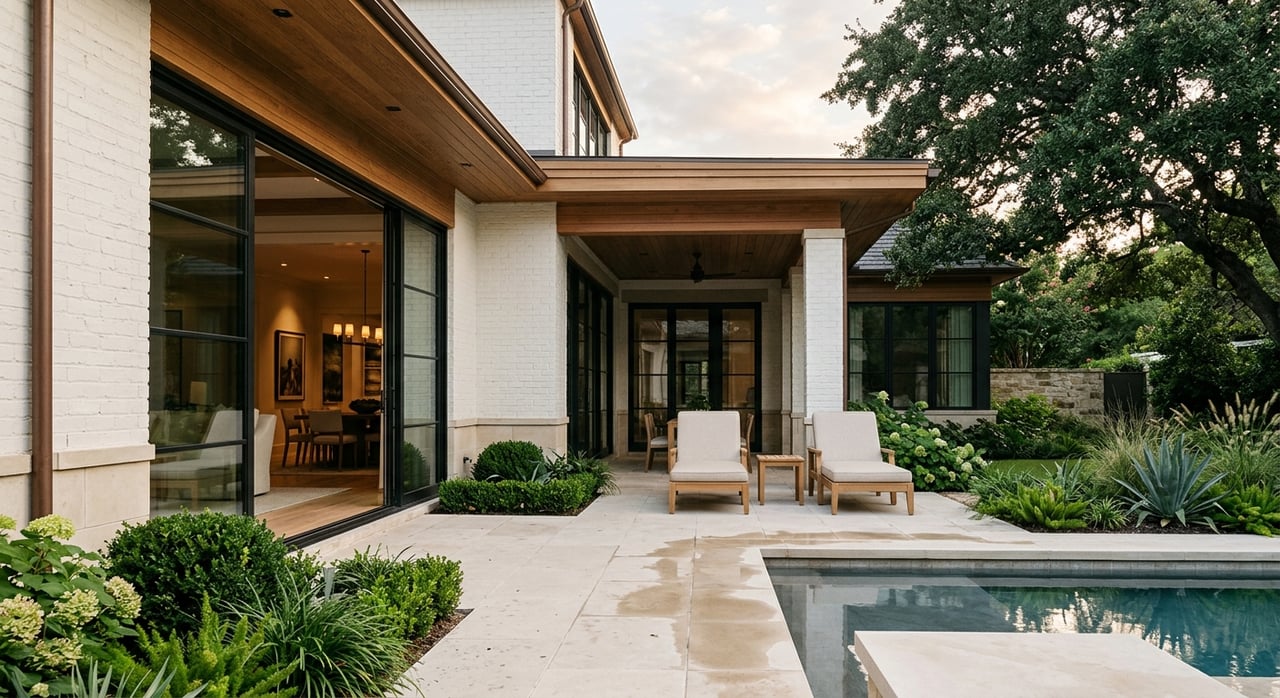
Memorial Villages is known for established single-family homes on generous lots with mature landscaping. Many properties are custom and higher value, which means more systems to refresh and present beautifully. Your buyers often include local families, executives, and relocation clients who value neighborhood character and convenience.
That buyer mix affects timing. Family buyers typically plan moves between school years, so spring listings that close in early summer are attractive. Some high-net-worth buyers prefer privacy, which makes quiet pre-market exposure a useful strategy. Corporate relocations in Houston’s major sectors also influence demand during late winter and spring, then again in late summer.
Best months to list
Choosing your launch window is about matching buyer behavior with a polished presentation. Memorial Villages follows broader patterns, with local nuances you should consider.
Spring: February to April
Spring is historically the strongest season for buyer traffic. After the holidays, buyers get serious and want to close before summer. In Memorial Villages, families planning for the next school year are most active.
- Target late February to March for peak visibility.
- Fresh landscaping and longer daylight enhance curb appeal and photography.
- Early January listings can capture buyers hungry for inventory, but the main momentum builds as February approaches.
Late summer to early fall: August to October
If you prefer less competition than spring, late summer and early fall can work well. Many motivated buyers re-enter after summer commitments, including executives starting new roles.
- Inventory often thins compared with spring, helping a well-prepared home stand out.
- Cooler weather can make tours more comfortable than high summer.
- If family timing is a priority, note that late-fall closings may be less ideal for those focused on school-year transitions.
Summer nuance: May to July
Homes listed in late spring often close in summer. Still, new summer listings can do well when priced and marketed for buyers who want to move quickly.
- Showings can be more deliberate due to the heat, so strong visuals and clear value matter.
- You may see activity from corporate transfers and buyers prioritizing shorter timelines.
Winter and holidays: mid-November to January
This is typically the quietest period for broad marketing, with lower traffic and longer days on market. That said, it can be effective for targeted strategies.
- Consider winter if privacy is key or you want to reach buyers with atypical timing, such as early-year corporate moves.
- If you go public in winter, plan for a longer campaign or a strong pre-market push to the right buyer pool.
Hurricane season: June to November
Severe weather risks can disrupt showings, inspections, or closings. If you list during this period, build extra contingency time into your schedule and communicate that expectation clearly with buyers.
Work backward from your launch date
High-end homes in Memorial Villages benefit from a longer runway. Back-plan your preparation so you can go live with maximum impact.
10 to 12+ weeks out: plan
- Hire a local listing advisor with Memorial Villages experience.
- Order a comparative market analysis and set priorities for pre-listing improvements.
- Schedule major repairs and any work that may require permits.
- Consider pre-listing inspections for structure, roof, HVAC, and termite so you can address issues before buyers see them.
- Budget for staging, landscaping, deep cleaning, and specialty photography.
6 to 8 weeks out: execute
- Complete repairs and contractor work.
- Refresh landscaping with tree trimming, seasonal plantings, and lawn rehabilitation; allow time for everything to settle.
- Begin decluttering and staging; plan for removal of extra furniture and staging deliveries.
- Book drone and twilight photography, floor plans, and 3D tours.
2 to 3 weeks out: pre-launch
- Finalize staging and styling.
- Capture professional photography and virtual tours after the landscape looks its best.
- Prepare marketing collateral: brochures, targeted emails, social assets, and your listing copy.
- Schedule broker previews and agent caravans for the week of launch.
- Tighten pricing strategy and finalize showing instructions.
Launch week: your first 14 days
- Go live on the MLS and syndication channels while simultaneously activating targeted agent outreach and buyer lists.
- Host a broker open and controlled public open houses if appropriate.
- Monitor feedback closely and be ready to adjust strategy within the first 7 to 14 days if needed.
Off-market or public: choose your path
Some sellers prefer a quiet approach before a public launch. This can be useful if you value privacy or want to gauge demand.
- Off-market or pre-market exposure works best when coordinated 4 to 8 weeks before a public listing.
- Use broker-only previews and targeted invitations to reach serious buyers through agent networks.
- If you shift from quiet to public, plan at least 2 weeks of private exposure so early interest can build.
Rapid-sale scenarios sometimes call for a different tactic. If you need speed, prioritize staging, standout photography, and a price-driven strategy. You may trade some net proceeds for a shorter timeline.
Concierge orchestration that amplifies results
In Memorial Villages, your first impression is everything. A concierge approach synchronizes each step so your home hits the market at its best and attracts concentrated attention.
- Project management: One point of coordination keeps contractors, stagers, and photographers on schedule. You avoid delays and show a polished product at launch.
- Pre-listing inspection: Addressing issues early reduces renegotiations and can shorten escrow.
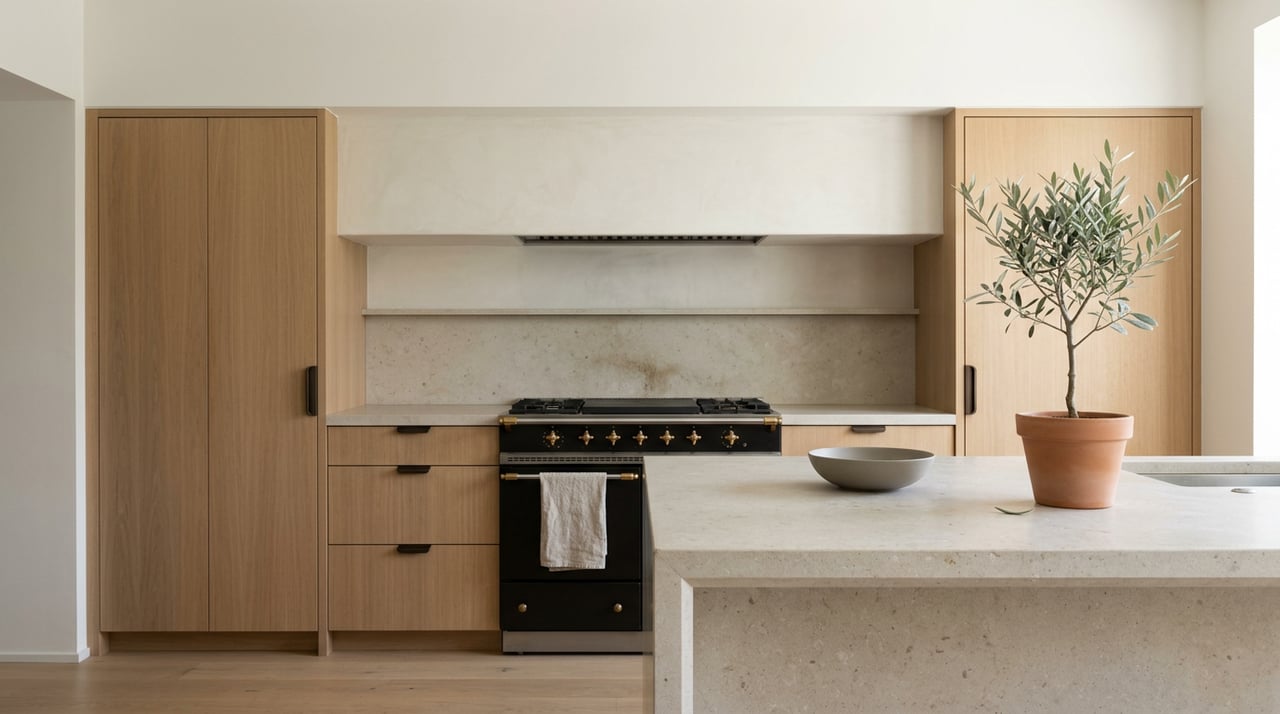
- Staging and visuals: Staging, landscaping, and photography should happen in sequence so each element enhances the next. High-quality visuals increase showing requests.
- Targeted broker outreach: Many qualified buyers connect through agent networks. Curated previews and broker opens often generate early momentum.
- Dual-track strategy: A quiet pre-market campaign can test demand before deciding on a public launch.
- Digital amplification: Thoughtful social advertising, email campaigns, and virtual tours released on a schedule focus traffic in the first 10 to 14 days, when attention is highest.
Concierge preparation carries costs, yet it often delivers a measurable return in faster sales and stronger pricing. Discuss scope and expected ROI with your agent before you begin.
Do a data check before you decide
Seasonality is a guide, not a rule. Confirm your plan against current local metrics.
- Review recent neighborhood data for inventory, days on market, and pricing using Houston Association of Realtors reports and your agent’s MLS analysis.
- Align your plan with local school calendars if you want to target family buyers.
- Check permitting timelines, landscaping lead times, and upcoming weather risks so your schedule is realistic.
A simple timing playbook
Use this short checklist to pick your moment and prepare with confidence.
- Choose your window
- Spring for broadest traffic and school-year alignment.
- Late summer or early fall if you want less competition or you are targeting non-school-tied buyers.
- Set your lead time
- Plan 8 to 12 weeks for higher-end homes; extend if permits or major work are required.
- Lock your launch date
- Schedule staging, landscaping, photography, and broker events backward from your target week.
- Execute the plan
- Finish repairs, style the home, and capture visuals only after the landscape and interiors look their best.
- Pre-market with purpose
- Use agent networks and broker previews to build early interest, especially for higher-value properties.
- Launch and measure
- Focus marketing in the first two weeks. Track feedback and adjust quickly if needed.
Ready to time your sale for maximum impact? For a founder-led, design-forward plan tailored to your property, connect with Lynn Tohme. You will get concierge orchestration, premium presentation, and clear, data-backed guidance from preparation through closing.
FAQs
What is the best month to list a Memorial Villages home?
- Spring is typically strongest, with late February to April delivering broad buyer traffic and school-year alignment; always confirm with current local inventory and days-on-market trends.
How far in advance should I prepare my Memorial Villages property?
- Plan 8 to 12 weeks for higher-end homes to coordinate repairs, staging, landscaping, and media; light cosmetic prep can be done in 3 to 6 weeks.
Is winter a bad time to sell in Memorial Villages?
- Winter has lower traffic, but targeted off-market exposure can work for privacy or buyers with atypical timing; expect a longer marketing period if going fully public.
How does school timing affect selling in Memorial Villages?
- Many families aim to move between school years, so listing in late winter or spring to close before summer is often the most effective strategy.
Should I consider an off-market strategy for a Memorial Villages home?
- Yes, if privacy matters or you want to gauge demand; plan 2 or more weeks of private exposure with broker previews before a public launch.
What if I need to sell quickly in Memorial Villages?
- Prioritize staging, standout photography, and a competitive price; this can shorten timelines, though you may accept a lower net for speed.