
October 16, 2025
Trying to choose between a high-rise condo and a townhome in Houston’s Museum District can feel like comparing apples to art. You want the culture, green space, and transit at your doorstep, but you also want the right space, budget, and long-term fit. In this guide, you will see how each option stacks up for lifestyle, costs, financing, insurance, and flood risk so you can move forward with confidence. Let’s dive in.
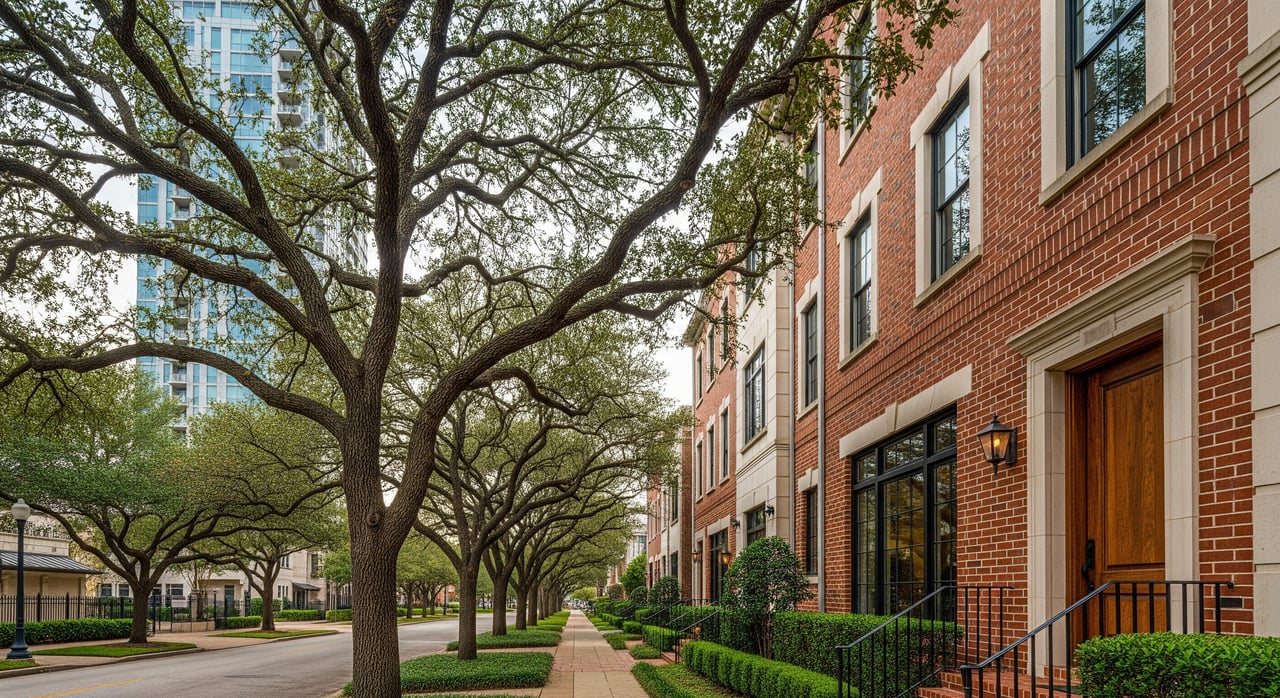
The Rice and Museum District area is anchored by Hermann Park, Rice University, and dozens of museums, with the Texas Medical Center just to the south. The neighborhood is transit-served by the METRORail Red Line at the Museum District station, adding an easy, car-light option for work and play. You will find a mix of condos, townhomes, and single-family homes in a walkable urban setting. According to a recent market summary, the Museum District’s median listing price was about $515,000 in January 2025 with year-over-year growth.
High-rise and mid-rise condos offer elevator access, professional management, and on-site amenities like pools, fitness centers, concierge, and covered parking. Many buildings have views of Hermann Park or the skyline. Well-known addresses in the area include 1400 Hermann, The Mosaic on Hermann, The Parklane, Il Palazzo, The Spires, and Warwick Towers.
You will likely trade private yard space for amenities and convenience. Monthly association dues vary by building and are often higher in full-service or luxury towers. Buyers who want lock-and-leave living, building security, and proximity to museums, Rice, and the TMC often prefer this option.
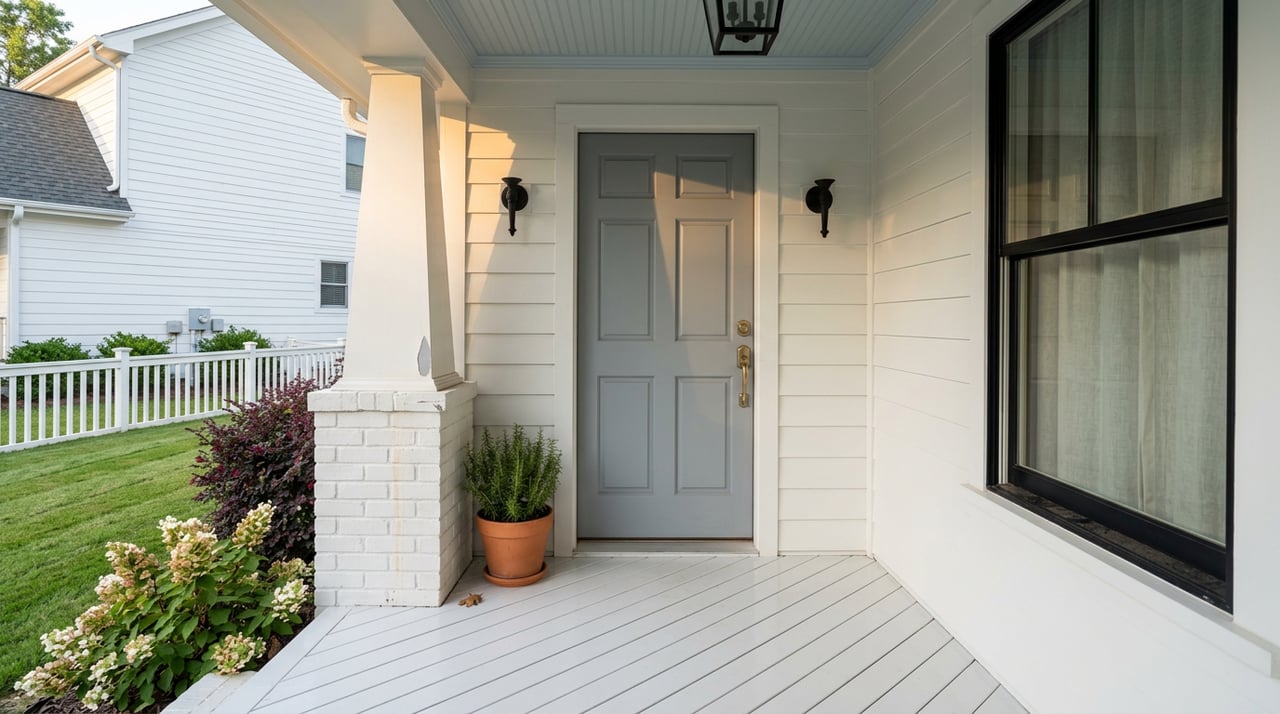
Townhomes in and around Rice Village and the residential blocks near Rice University provide more interior space, private garages, and small patios or yards. Ownership often includes the land under the home. Some communities have HOAs that maintain shared areas, but many exterior items remain the owner’s responsibility.
If you want more space and a house-like layout while staying close to restaurants and shops, a townhome can be a great fit. For a local example of walkable townhome-style living near campus, see Rice Village Townhomes for graduate housing.
Prices vary widely by building and size. As a reference point, the Museum District’s median listing price was about $515,000 in January 2025. Specific townhomes or condos can sit below or well above that, depending on age, finishes, views, and amenities.
Condo dues usually cover exterior and common areas, building insurance for the structure, and amenities. Townhome HOAs are often lower, but owners may handle more exterior upkeep themselves. For a useful primer on how condos and townhomes differ in ownership and maintenance, see condos vs townhouses and insurance differences by property type.
Harris County taxes vary by jurisdiction and can change with reappraisals. If you plan to claim a homestead exemption, check rules and filing windows with the Harris County Appraisal District. Learn more about property tax exemptions for homeowners.
Condo owners usually carry an HO-6 policy that covers the unit interior, personal property, and liability. The association’s master policy covers the structure and common areas per the declarations. Townhome owners often need broader coverage if they are responsible for the exterior, roof, and land. Start with these guides on condo insurance basics and policy differences for townhomes.
Flood damage is not covered by standard homeowners or HO-6 policies. Harris County flood maps are in transition, and new FEMA maps could change whether a home sits in a Special Flood Hazard Area. Before you buy, check the FEMA Flood Map Service Center for the current status of any address and get flood insurance quotes if needed.
Condo financing has extra layers. Many lenders require that a condo project meet agency eligibility standards that include reserve levels, insurance coverage, owner-occupancy ratios, and limits on investor concentration. Buildings that fall short may be harder to finance, which can affect your loan options and future resale. Review the basics of FHA and conventional condo eligibility early, especially for older towers.
Recent headlines show pockets of higher condo inventory and rising dues in some markets, which can slow sales for certain buildings. That does not mean you should avoid condos, but it does mean you should review the association’s financials, insurance, and capital plans with care.
You deserve a home that fits your life as well as your budget. At Loulou Estates Group, you get founder-led guidance, curated options that match how you live, and concierge-level orchestration from first tour to closing. We help you compare true monthly costs, review HOA materials, coordinate with your lender on condo eligibility, and plan for insurance and flood considerations. If you are relocating or need remote tours, our multilingual, relocation-friendly team makes the process seamless.
Ready to explore the best high-rises and townhomes in the Museum District and Rice area? Connect with Lynn Tohme to start a tailored search.
Stay up to date on the latest real estate trends.




My multicultural background allows me to cater to the varied needs of my local and international clients, ensuring that each transaction is a carefully crafted experience that respects and celebrates cultural diversity.
1800 St James Place Ste 302 Houston TX 77056